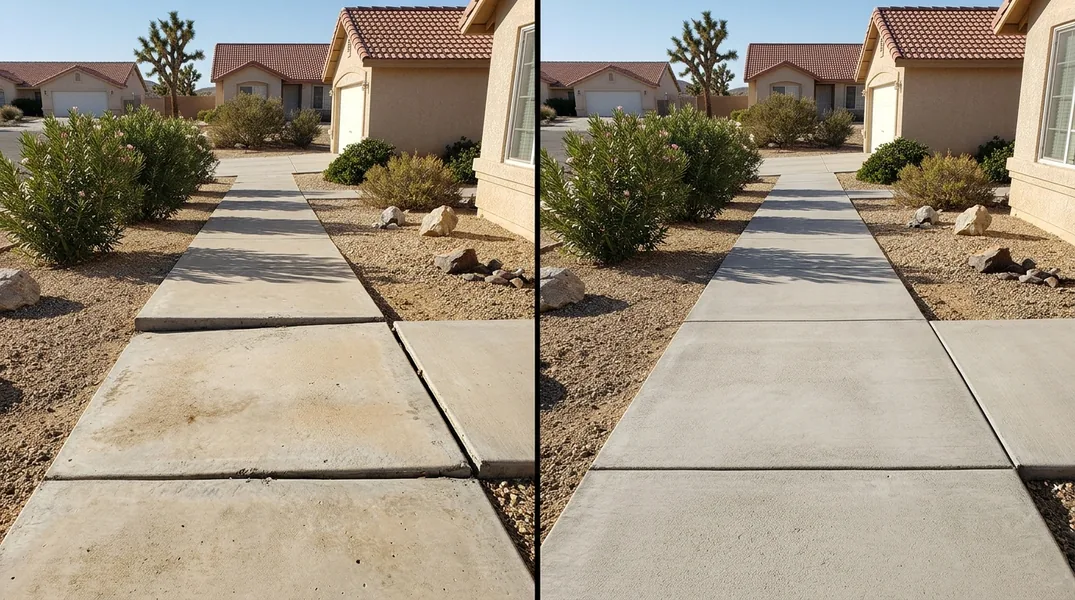
The High Desert Challenge: Why Lancaster's Climate Is Tough on Concrete
If you own a home or business in Lancaster, you already know the Antelope Valley isn't like the rest of Southern California. The high desert brings intense sun, dramatic temperature swings, powerful winds, and mineral-rich soil that most homeowners don't encounter in coastal or urban areas. These environmental factors create a perfect storm for concrete damage that many property owners don't anticipate until cracks start appearing in their driveways, patios, and foundations.
Concrete is a durable material, but it's not invincible. When exposed to the specific conditions of the high desert, even well-installed concrete can develop problems faster than it would in milder climates. Understanding these challenges is the first step toward protecting your investment and avoiding costly repairs down the road. Whether you're planning new Concrete Driveways or already dealing with damage, knowing what you're up against makes all the difference.
Freeze-Thaw Cycles: The Silent Concrete Killer in Lancaster
One of the most destructive forces on concrete in the Antelope Valley is the freeze-thaw cycle. While Lancaster doesn't experience harsh winters like northern states, the high desert still sees freezing nights, especially from November through March. Temperatures can drop below 32 degrees Fahrenheit several nights a week during winter months, and this repeated freezing and thawing wreaks havoc on concrete surfaces.
Here's what happens: water seeps into tiny pores and cracks in the concrete. When temperatures drop, that water freezes and expands, pushing outward with tremendous force. When the sun rises and temperatures climb, the ice melts and contracts. This constant expansion and contraction creates stress within the concrete matrix. Over months and years, this pressure causes the surface to crack, spall (where chunks break away), and eventually deteriorate. The problem is especially severe if your concrete wasn't sealed properly or if it's exposed to road salt or de-icing chemicals, which accelerate the damage. Even well-maintained concrete can succumb to repeated freeze-thaw damage in Lancaster's high desert climate.
Antelope Valley Wind and Sand: Abrasion and Exposure Damage
The Antelope Valley is notorious for wind. The high desert's geography funnels powerful winds through the region, and this constant air movement carries fine sand and dust that acts like sandpaper against concrete surfaces. Over time, this abrasive action wears away the protective surface layer of your concrete, exposing the weaker material underneath. This exposure accelerates deterioration and makes the concrete more vulnerable to water infiltration, which then leads to cracking and spalling.
Beyond the direct abrasion, wind also dries out concrete rapidly, which can cause surface shrinkage cracks to form. Concrete needs to cure slowly and retain moisture during its early life to develop maximum strength. When the high desert wind accelerates the drying process, the concrete doesn't cure evenly, and stress concentrations develop. These weak points eventually crack under the stress of temperature changes and vehicle traffic. Additionally, wind-blown sand and dust settle into any existing cracks or joints, trapping moisture and creating pockets where freeze-thaw damage accelerates. If you've noticed your driveway or patio developing a rough, worn texture or fine surface cracks, wind and sand damage is likely contributing to the problem.
Lancaster Soil Chemistry: Alkali-Aggregate Reaction and Expansion
Not all soil is created equal, and the soil composition in and around Lancaster presents unique challenges for concrete. The Antelope Valley's high desert soil is naturally alkaline and contains specific mineral compositions that can trigger a chemical reaction with the aggregates (sand and gravel) used in concrete. This process, known as alkali-aggregate reaction or AAR, causes the concrete to expand internally over time, leading to cracking and structural weakness.
Additionally, the high mineral content and pH levels in local soil can affect how concrete cures and how long it lasts. Water percolating through alkaline soil can carry dissolved minerals into concrete, causing efflorescence (white, chalky deposits on the surface) and potentially weakening the concrete's internal structure. This is why concrete that performs well in other parts of California may have a shorter lifespan in the high desert. When you're planning new Concrete Driveways or considering Concrete Repair & Resurfacing, using aggregates and concrete mixes specifically formulated for high desert conditions makes a significant difference in longevity.
Sun Exposure and UV Damage to Concrete Surfaces
The Antelope Valley receives intense, unrelenting sunlight throughout the year. This constant UV exposure breaks down the surface of concrete over time, causing it to fade, become brittle, and develop a chalky appearance. The sun's heat also causes concrete to expand significantly during the day, then contract as it cools at night. This daily thermal cycling creates stress in the concrete that, combined with freeze-thaw cycles during winter months, accelerates cracking and surface deterioration.
Dark-colored concrete surfaces absorb more heat than light-colored ones, which means they experience more dramatic temperature swings. A black or dark gray driveway can reach temperatures 30 to 40 degrees Fahrenheit higher than the surrounding air temperature on a sunny day in Lancaster. This extreme heating followed by cooling at night puts tremendous stress on the concrete. Over time, you'll notice the surface becoming rougher, losing its finish, and developing a network of fine cracks. Sealed concrete surfaces resist UV damage better than unsealed concrete, which is why regular sealing is especially important in the high desert climate.
Protecting Your Lancaster Concrete: Maintenance and Professional Solutions
Given the harsh conditions of the high desert, taking a proactive approach to concrete maintenance is essential. Regular sealing is one of the most effective ways to protect your concrete investment. A quality sealer creates a barrier that prevents water infiltration, reduces UV damage, and makes the surface more resistant to wind-blown sand and abrasion. In Lancaster's climate, concrete should be sealed every two to three years, depending on traffic and weather exposure. This relatively modest investment can extend the life of your concrete by years or even decades.
If your concrete is already showing signs of damage, don't wait for the problem to worsen. Early intervention with professional Concrete Repair & Resurfacing can prevent small cracks from becoming major structural issues. Lancaster Concrete specializes in identifying and addressing high desert concrete damage before it becomes expensive. Whether you need crack repair, resurfacing, or a complete replacement, the right approach depends on the extent of damage and the underlying cause. Call Lancaster Concrete at (661) 718-4824 to discuss your concrete concerns, or visit our website to request a free estimate and learn how we can help protect your property.
When planning new concrete projects, working with a contractor who understands high desert conditions makes a crucial difference. Proper site preparation, correct concrete mix design, adequate curing time, and appropriate sealing from the start can prevent many of the problems that plague older concrete in the Antelope Valley. Lancaster Concrete has the local expertise to ensure your new concrete is built to withstand the unique challenges of this region.
Looking for a professional concrete contractor in Lancaster? Lancaster Concrete responds fast for all your concrete needs.
Get a Free QuoteOur services: Concrete Driveways · Concrete Patios · Stamped & Decorative Concrete