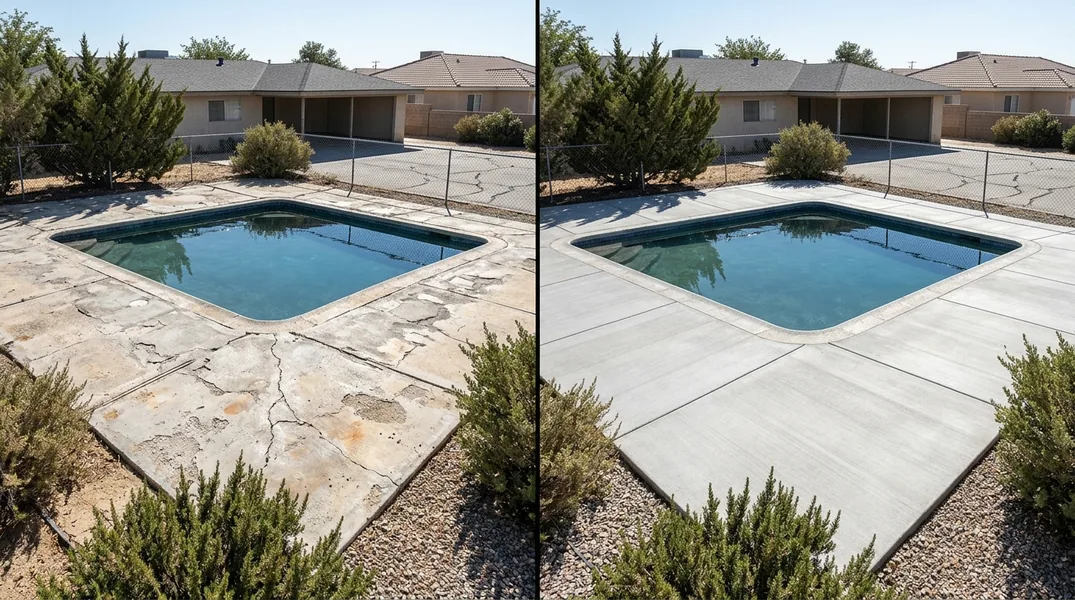
Concrete vs. Pavers: The Basics for Lancaster Homeowners
When you're planning a new driveway or patio in Lancaster, one of the first decisions you'll face is choosing between concrete and pavers. Both materials have loyal advocates, and for good reason. Each offers distinct advantages depending on your priorities, budget, and the specific demands of living in the Antelope Valley. Understanding the fundamental differences between these two options is the first step toward making a choice you'll be happy with for years to come.
Concrete is a single, monolithic material poured and finished as one continuous surface. Pavers, by contrast, are individual units (typically made from concrete, brick, stone, or porcelain) laid side by side in patterns. This structural difference influences everything from installation time to long-term maintenance. In Lancaster's hot, dry climate, both materials perform well, but they behave differently under thermal stress and UV exposure. The choice ultimately depends on your aesthetic preferences, maintenance tolerance, and how you plan to use the space.
Durability and Performance in the Antelope Valley Desert Climate
The Antelope Valley's desert environment presents unique challenges for outdoor surfaces. Intense sun exposure, dramatic temperature swings between day and night, and occasional thermal stress can affect how materials age. Concrete, when properly sealed and maintained, is remarkably durable in these conditions. A well-installed concrete surface can last 25 to 30 years or more, especially if you invest in quality Concrete Repair and Resurfacing services before small issues become major problems.
Pavers also perform well in desert climates, but their longevity depends heavily on proper base preparation and individual unit quality. Pavers can last 25 years or longer, but because they're individual pieces, one or two units may need replacement if they crack or shift. In the intense heat of the Antelope Valley, concrete can sometimes develop small cracks due to thermal expansion and contraction. Pavers, meanwhile, have built-in flex between units, which can actually be an advantage in environments with significant temperature fluctuations. However, this flexibility means the base material beneath pavers is critical to preventing settling or shifting over time.
Cost Comparison: Concrete Driveways vs. Pavers in Lancaster
When evaluating pricing for your driveway or patio project, initial installation cost is often the deciding factor for many homeowners. Concrete typically costs less upfront than pavers. A standard concrete driveway in Lancaster will generally run between 3 to 8 dollars per square foot, depending on thickness, finish, and site conditions. Pavers, by comparison, usually range from 8 to 25 dollars per square foot or more, depending on the material quality and pattern complexity.
However, total cost of ownership extends beyond installation. Concrete requires periodic sealing (every 2 to 3 years) and occasional Concrete Repair and Resurfacing to maintain its appearance and structural integrity. Pavers need regular maintenance too, including weed control between units, occasional re-sanding of joints, and potential individual unit replacement. If you choose Stamped and Decorative Concrete, your initial investment will be higher than basic concrete, but you'll gain aesthetic appeal that rivals or exceeds pavers at a lower total cost. For a detailed breakdown of what your specific project might cost, contact Lancaster Concrete at (661) 718-4824 or request a free estimate today.
Aesthetic Options: Which Material Wins for Design Flexibility
If visual appeal is your top priority, both materials offer impressive design possibilities. Pavers come in countless colors, shapes, and patterns. You can create intricate designs, herringbone patterns, circular arrangements, or custom mosaics. This flexibility makes pavers ideal for homeowners who want a truly unique look or who are designing a high-end outdoor living space. The individual nature of pavers also means you can easily replace a single unit if you want to refresh the look without replacing the entire surface.
Concrete, particularly Stamped and Decorative Concrete, offers its own aesthetic versatility. Stamped concrete can mimic the appearance of pavers, stone, brick, or wood. You can add color with integral pigments or surface stains, and you can create borders, patterns, and custom designs. Modern decorative concrete techniques allow professionals to achieve sophisticated, designer looks that are virtually indistinguishable from natural stone, often at a fraction of the cost. The advantage of concrete is that the pattern and color are permanent and built into the surface, so there's no worry about individual units fading or shifting over time.
Maintenance Requirements: Which Material Is Easier to Care For
Maintenance is where the practical differences between concrete and pavers become most apparent. Concrete requires regular sealing to protect against staining, water penetration, and UV damage. You'll need to reseal every 2 to 3 years, which is a manageable but recurring expense. Concrete is also vulnerable to spalling (surface deterioration) if exposed to freeze-thaw cycles, though this is less of a concern in Lancaster's mild winters. Cleaning concrete is straightforward: pressure washing works well for most stains and buildup.
Pavers require different maintenance. Weeds and grass can grow between units, requiring regular weeding or herbicide application. The sand or polymeric sand between pavers can wash away or settle, necessitating periodic re-sanding. Individual pavers can crack or shift, requiring targeted replacement. On the positive side, pavers don't need sealing (though some homeowners choose to seal them for color enhancement). If you're looking for the lowest-maintenance option overall, concrete with proper sealing is typically easier to keep clean and looking fresh. If you prefer a surface that requires active management but offers more flexibility for repairs and updates, pavers may suit your lifestyle better.
Making Your Decision: Which Material Is Right for Your Lancaster Home
Choosing between concrete and pavers comes down to weighing your priorities. If you value affordability, durability, easy maintenance, and a modern aesthetic, Concrete Driveways and Concrete Patios are excellent choices. If you prioritize design flexibility, don't mind hands-on maintenance, and have a larger budget, pavers offer unmatched visual variety and the satisfaction of a truly custom outdoor space.
For many homeowners in the Antelope Valley, concrete offers the best balance of value, performance, and practicality. The desert climate is actually ideal for concrete, and modern decorative finishes mean you don't have to sacrifice aesthetics for functionality. Whether you're installing a new driveway, refreshing your patio, or exploring decorative options, the team at Lancaster Concrete can help you evaluate both options and find the perfect solution for your home. Call us today at (661) 718-4824 or visit our website to schedule a free estimate. We serve Lancaster and the surrounding Antelope Valley communities with expert installation and honest guidance.
Looking for a professional concrete contractor in Lancaster? Lancaster Concrete responds fast for all your concrete needs.
Get a Free QuoteOur services: Concrete Driveways · Concrete Patios · Stamped & Decorative Concrete