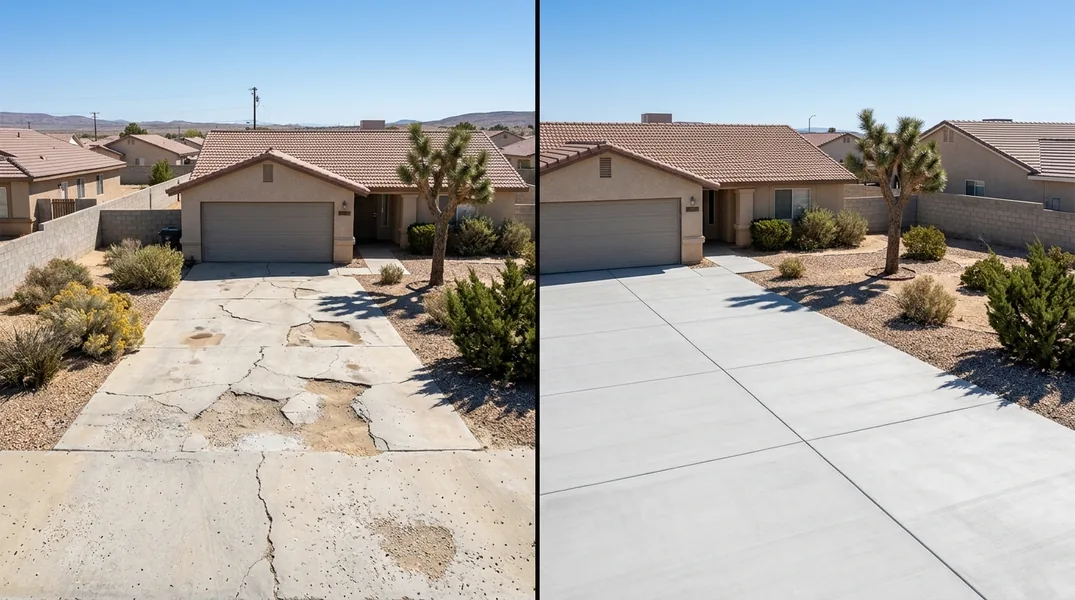
Why Timing Matters for Concrete Projects in Lancaster
If you're planning a Concrete Driveways project in Lancaster, you might think any time is a good time to pour. After all, Southern California enjoys warm weather most of the year. However, the timing of your concrete installation can make a significant difference in how well your finished project holds up over time. The Antelope Valley's unique climate, with its extreme temperature swings and low humidity, creates specific challenges that affect how concrete cures and performs.
Concrete doesn't simply dry like paint or wood stain. It undergoes a chemical process called hydration, where the cement in the mix bonds with water to create a durable, stone-like material. This process is highly sensitive to temperature and moisture conditions. Pour concrete at the wrong time of year, and you risk surface cracking, uneven color, weak spots, or premature deterioration. Understanding the best season for your project ensures your investment lasts decades rather than years.
Pouring Concrete in Desert Heat: The Summer Challenge
Summer in Lancaster brings intense, dry heat that can exceed 100 degrees Fahrenheit. While this might seem ideal for concrete to cure quickly, the reality is far more complicated. Pouring concrete in desert heat actually accelerates the evaporation of water from the surface of your concrete before the hydration process is complete. This rapid surface drying creates a weak outer layer while the interior is still curing, leading to stress cracks that radiate outward from the center of the slab.
The low humidity in the high desert environment compounds this problem. When moisture evaporates too quickly, the concrete surface can set faster than the interior, causing differential stress. Additionally, extreme heat can cause concrete to expand unevenly, resulting in patterns of cracking that are difficult or impossible to repair. If you must schedule a project during summer months, early morning pours are preferable, and your contractor will need to employ aggressive cooling and moisture retention strategies. Covering the concrete with reflective tarps, misting it regularly, and potentially using ice in the concrete mix are all techniques to slow the curing process and improve the final result.
Concrete in Cold Weather Antelope Valley: Winter Considerations
Winter temperatures in the Antelope Valley rarely drop below freezing during the day, but nighttime lows can dip into the 30s or 40s, particularly from December through February. While this seems mild compared to northern climates, it presents real challenges for concrete curing in the high desert. Concrete needs adequate warmth to hydrate properly. When temperatures fall below 50 degrees Fahrenheit, the hydration process slows dramatically, potentially taking weeks instead of days to reach adequate strength.
The bigger risk comes from freeze-thaw cycles. If concrete is poured when nighttime temperatures are dropping toward freezing, moisture within the concrete can freeze before the hydration process is complete. This creates internal stress and can lead to spalling, where chunks of concrete break away from the surface. For projects like Concrete Patios or Stamped & Decorative Concrete, winter pours also mean slower curing times, which delays your ability to use or finish the surface as planned. Most professional contractors in the region avoid pouring concrete when nighttime temperatures are expected to drop below 50 degrees without specialized heating equipment.
Spring and Fall: The Ideal Windows for Concrete Curing High Desert
Spring (March through May) and fall (September through November) offer the most favorable conditions for pouring concrete in the Antelope Valley. During these seasons, daytime temperatures typically range from 70 to 85 degrees Fahrenheit, while nighttime lows stay in the comfortable 50s or 60s. This moderate temperature range allows concrete to cure at a steady, predictable pace without the stress of extreme heat or cold. Humidity levels are also more balanced, reducing the risk of rapid surface evaporation that causes cracking.
Spring is particularly attractive because soil temperatures have warmed up after winter, and you're not competing with the intense summer heat that's just weeks away. Fall offers similar advantages, with the added benefit that cooler nighttime temperatures in late October and November actually improve concrete strength development. The gradual temperature drop in fall doesn't stress the concrete the way sudden cold snaps in winter do. If you're planning Concrete Repair & Resurfacing work or any major concrete project, aim for these shoulder seasons. Your contractor will have an easier time achieving proper finishing, color consistency, and long-term durability.
Concrete Driveways Near Me: When to Call a Professional Contractor
Choosing the right time to pour is only part of the equation. You also need a contractor who understands how to work with Lancaster's unique climate. A professional team knows how to adjust mix designs, curing techniques, and finishing methods based on the season and weather forecast. They'll monitor temperature and humidity in real time and make decisions about misting, covering, or pacing the work to ensure optimal results.
When you're ready to move forward with your concrete project, contact Lancaster Concrete at (661) 718-4824 to discuss the best timing for your specific needs. Whether you're planning a driveway, patio, or decorative concrete installation, the team can help you schedule your pour during the ideal season and explain how weather conditions will be managed. Getting professional guidance upfront prevents costly mistakes and ensures your concrete investment performs beautifully for decades to come.
Planning Your Project: Questions to Ask About Timing and Pricing
Before committing to a concrete project, ask your contractor several key questions about timing and how it affects your overall project cost. Different seasons may impact labor availability, material costs, and the specific techniques required. Understanding these factors helps you make an informed decision about when to schedule your work. Some contractors offer seasonal discounts during slower months, while others charge premium rates during peak spring and fall seasons when demand is highest.
Request a free estimate that includes details about the recommended pour window, any weather-related adjustments to the project plan, and how timing affects your pricing. A transparent contractor will explain why they recommend a particular season and what steps they'll take to protect your concrete during curing. Don't hesitate to ask about their experience with high desert concrete projects specifically, as this expertise directly impacts the quality and longevity of your finished work. Call (661) 718-4824 today to speak with the Lancaster Concrete team about scheduling your next project at the perfect time.
Looking for a professional concrete contractor in Lancaster? Lancaster Concrete responds fast for all your concrete needs.
Get a Free QuoteOur services: Concrete Driveways · Concrete Patios · Stamped & Decorative Concrete